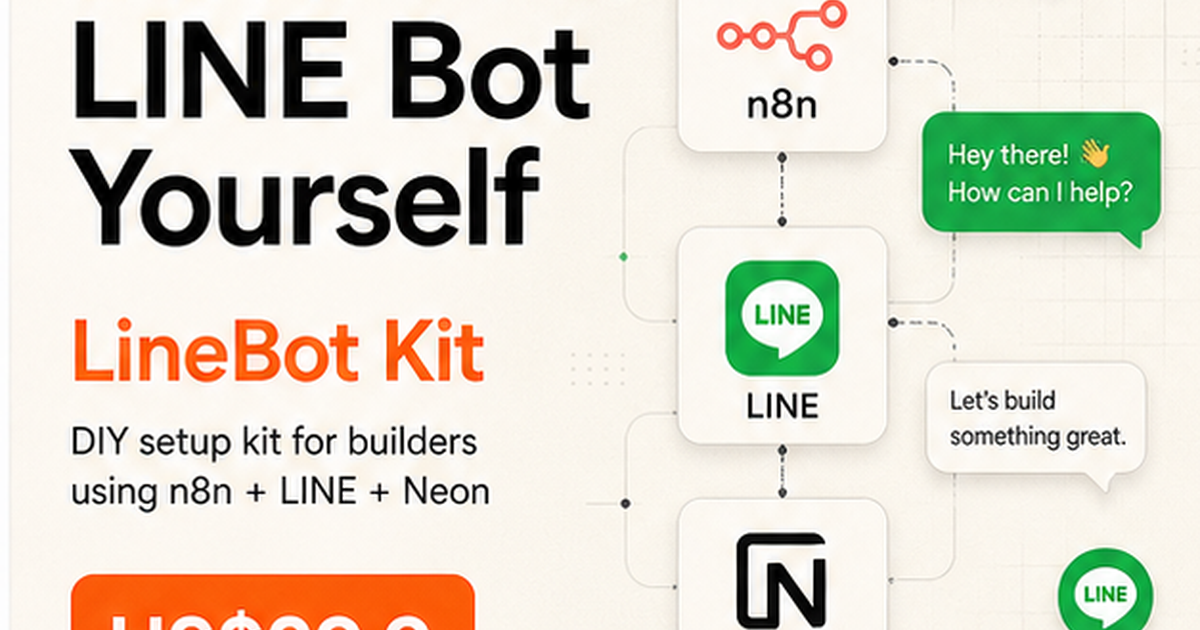
 Build a professional LINE official account with zero code — import one-click templates and let AI boost your marketing!
Why Are Robotaxi Delays a Fatal Blow to the Stock?
Direct answer: The robotaxi is the sole support for Tesla’s high P/E ratio. Once the timeline slips, the market reprices the “AI company” narrative, leading to a rapid stock correction.
Tesla’s current P/E ratio is about 10 times that of traditional automakers. This premium is entirely based on the narrative that Tesla is an AI and robotics company, not just an EV maker. The robotaxi is the concrete vehicle for realizing this narrative. The originally planned Robotaxi event for early this year has been postponed to late May or June, marking multiple delays. Each delay makes it harder for the market to believe that commercial operations can be achieved within 2026.
Historically, Tesla claimed in 2019 that there would be one million robotaxis on the road by 2020, but that has yet to materialize. This pattern of repeated promises and broken deadlines is eroding investor patience. Especially when competitors like Waymo are already offering paid autonomous services in some cities, and Baidu Apollo is piloting in multiple Chinese cities, whether Tesla’s “pure vision” approach can pass regulatory scrutiny on time remains a huge question mark.
Two Layers of Market Reaction
The first layer is technical profit-taking. Tesla’s stock had a significant rally in the weeks before April, and some investors chose to lock in profits ahead of earnings, which is normal. But the second layer is more noteworthy: institutional investors are beginning to reassess the risk premium for robotaxis. If this business cannot generate significant revenue by 2027, Tesla’s current market cap would require much higher vehicle sales to support, but EV market growth is slowing.
| Metric | Tesla | Traditional Automaker Average | Gap Multiple |
|---|---|---|---|
| P/E Ratio | ~85x | 6-8x | 10x+ |
| Revenue Growth (YoY) | 18% | 3-5% | 3-6x |
| Autonomous Driving Progress | L2+ (FSD Beta) | L2 | Gap narrowing |
Can Energy Storage Become a New Moat?
Direct answer: Energy storage business is growing impressively, but its scale and margins are still insufficient to fully replace the profitability of the auto business. It can only serve as a buffer, not a savior.
Tesla’s Megapack set a deployment record in Q1 2026, with strong demand for utility-scale storage projects, which is indeed a bright spot. The gross margin for energy storage is close to 25%, higher than the auto business’s 18-20%. However, this business’s revenue is only about 15% of the auto business, and although the growth curve is steep, it will take at least 2-3 years to fill the gap left by declining auto profits.
More critically, the valuation multiple for energy storage is far lower than that for autonomous driving. Wall Street gives Tesla a high premium mainly because robotaxis are seen as “software-defined recurring revenue,” while energy storage is essentially hardware sales. Despite good growth, it cannot support the same premium.
Strategic Value of Energy Business
From a strategic perspective, the value of energy storage lies in reducing Tesla’s dependence on the single EV market. When the auto business faces price wars from Chinese automakers, energy storage provides stable cash flow and profit base. But competition in this business is also heating up, with BYD, CATL, and LG Energy Solution actively expanding in the storage market. Tesla’s lead is not unassailable.
graph TD
    A[Tesla Business Structure] --> B[EV Business]
    A --> C[Energy Storage Business]
    A --> D[Autonomous Driving & AI Software]
    B --> E[Revenue Share 75%]
    B --> F[Margin 18-20%]
    C --> G[Revenue Share 15%]
    C --> H[Margin 25%]
    D --> I[Revenue Share 10%]
    D --> J[Margin Potential 80%+]
    style D fill:#ff9900,color:#fff
    style J fill:#ff9900,color:#fff
How Real Is the Threat from Chinese EV Makers?
Direct answer: The price war and technological catch-up by Chinese automakers are directly eroding Tesla’s market share and margins. This is not a short-term phenomenon but a structural threat.
BYD surpassed Tesla as the world’s largest EV maker in 2025. Its pricing strategy in China is extremely aggressive, with some models priced even lower than Tesla’s entry-level Model 3. More notably, BYD’s autonomous driving system “God’s Eye” has reached L2+ level and is standard on more models, directly challenging Tesla’s FSD technology leadership narrative.
Quantitative Comparison of Competitive Landscape
| Competitive Dimension | Tesla | BYD | XPeng |
|---|---|---|---|
| 2025 Global Sales | 1.8M units | 2.1M units | 450K units |
| Autonomous Driving Level | L2+ (FSD) | L2+ (God’s Eye) | L2+ (XNGP) |
| Average Selling Price (USD) | 45,000 | 28,000 | 35,000 |
| China Market Share | 8% | 25% | 5% |
The advantage of Chinese automakers lies not only in price but also in supply chain integration and product iteration speed. Tesla’s “giga casting” and “4680 battery” were once considered core competencies, but Chinese manufacturers have quickly caught up, and some technologies have even surpassed. This means Tesla’s hardware differentiation is narrowing, and it must rely more on software and autonomous driving to maintain its premium.
How Long Can Tesla’s Valuation Hold?
Direct answer: As long as the commercialization timeline for robotaxis remains vague, Tesla’s valuation will face repeated downward pressure, and short-term volatility will increase.
Tesla’s stock has shown a pattern of sharp rises and falls over the past 52 weeks, highly correlated with retail investor sentiment. But institutional investor attitudes are shifting: some hedge funds have reduced their Tesla positions in Q1, rotating into more certain AI names like NVIDIA and Microsoft. This is not a denial of Tesla’s long-term potential but a reassessment of “time cost.”
Possible Paths for Valuation Correction
If robotaxis fail to enter commercialization by the end of 2026, Tesla’s P/E ratio could contract from 85x to 40-50x, still far above traditional automakers but closer to high-growth tech companies. The corresponding stock price would be in the $250-300 range, representing a 20-30% downside from current levels.
timeline
    title Key Catalysts Timeline for Tesla Stock
    2026 April : Q1 Earnings Release
               : Vehicle Margins & FSD Update
    2026 May-June : Robotaxi Event (Delayed)
                   : Robotaxi Prototype Reveal
    2026 H2 : FSD V13 Wide Rollout
             : China Regulatory Progress
    2027 : Robotaxi Commercial Pilot
           : Energy Storage Business Breaks 10GWh
How Should Investors Interpret This Decline?
Direct answer: This decline is healthy profit-taking, but it reflects the market’s waning patience with the autonomous driving timeline. Investors should focus on concrete numbers in the earnings report, not the vision.
For long-term investors, Tesla’s AI and autonomous driving technology still lead, but the lead is narrowing. Key points to watch: whether vehicle margins stabilize in Q1 earnings, whether FSD paid user conversion rates improve, and whether energy storage margins continue to improve. If these numbers disappoint, the stock could fall further.
Advice for Different Investor Types
| Investor Type | Suggested Strategy | Risk Considerations |
|---|---|---|
| Long-term Holder | Hold but reduce to reasonable weight | Valuation correction risk, time cost |
| Swing Trader | Wait for earnings before entering | High volatility, strict stop-loss needed |
| Value Investor | Wait for larger margin of safety (price $250-300) | May miss rebound opportunity |
Conclusion: Vision Is Rich, Execution Is Key
Tesla’s story has never been just about EVs; it’s a grand narrative of AI, robotics, and energy transition. But capital markets ultimately demand delivery. Every delay in the robotaxi erodes the credibility of this narrative. As Chinese competitors advance on price and technology, and as energy storage cannot yet stand alone, Tesla’s management must respond to market doubts with concrete execution results.
This 1.5% decline may be just the beginning. The real test will come from Q1 earnings and the specific details of the Robotaxi event. If Tesla can provide a clear commercialization timeline and technological breakthroughs, the stock will regain momentum; otherwise, valuation correction pressure will only intensify.
FAQ
Why did Tesla stock fall in early trading on April 23?
The decline was mainly due to delays in the robotaxi launch timeline, slowing EV demand, and profit-taking by investors after a recent rally, leading to a 1.5% drop to $381.62.
How does the robotaxi affect Tesla’s valuation?
The robotaxi is the key support for Tesla’s high P/E ratio. Any delay or poor execution directly undermines market confidence in its AI and robotics narrative, triggering valuation corrections.
Can Tesla’s energy storage business offset pressure from the auto business?
Megapack deployments hit records and energy storage is growing strongly, but its scale is not yet sufficient to fully offset the decline in auto margins. Wall Street remains focused on autonomous driving progress.
How serious is the threat from Chinese EV makers?
Chinese automakers like BYD are rapidly catching up in price and technology, directly pressuring Tesla’s pricing and profits in China and intensifying global competition.
What are the key catalysts for Tesla stock in the coming months?
Vehicle margins in Q1 earnings, concrete robotaxi timeline, major FSD software updates, and continued growth in energy storage will drive stock direction.